How Expensive is it in Harajuku?
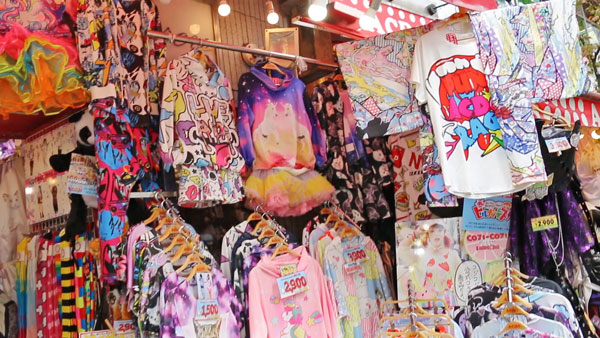
Lots of people ask me how expensive it is in Harajuku, so here’s a walk around Takeshita Street in Tokyo, with prices and how much cute, kawaii Japanese clothes cost in Harajuku.
There is a of course a range of prices – not everywhere is as cheap as the examples in the video – it depends where you shop. Tokyo’s perceived as an expensive city, so actual prices can be surprising, and not as high as you might think. Especially when you consider that clothes in Harajuku aren’t the mainstream, mass-produced fashion you find in high street chain stores.
Remember that credit cards aren’t as widely used in Japan as in the UK. From my experience, a lot of shops do take them, but not all smaller places will, so make sure you have enough cash with you.
Exploring Harajuku
The first time I went to Harajuku, I spent the whole day on Takeshita Street, which is the main, pedestrianised shopping street not far from the station. However there’s lots more to explore! Remember to explore the side streets off Takeshita Street, and the backstreets of Harajuku, which have a different vibe to the main area. Once you get to the end of Takeshita Street, cross the main road and enjoy getting lost in the maze of small streets. Lots of famous shops are tucked away and not on the main thoroughfare, so if there’s anywhere particular you want to shop, pin it on your map and don’t count on stumbling across it.
Brand Shopping
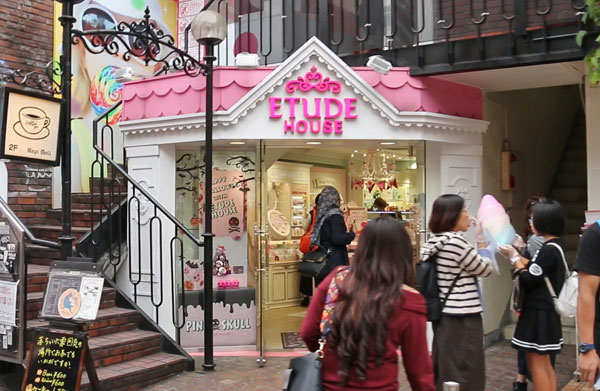
As well as the cheaper shops, there are plenty of shops where you can spend all your savings if you want to! Some of the small, indie shops can be pricey, and of course the lolita brands like Angelic Pretty, Alice and the Pirates and Baby the Stars Shine Bright, where dresses cost several hundred pounds. You’ll be paying list price, but you’ll almost certainly be paying less than if you bought them at home, because you’re not paying someone to import them for you. Plus, some shops are tax-free for foreigners so you can make a small saving there.
Again, check where the brand shops are, because some are surprisingly hidden away. You can find lots of famous brand names together in the basement level of Laforet department store. It’s so strange seeing alternative clothing in what’s otherwise a normal department store!
Outside of Harajuku, you can also find lots of alternative brand stores in Marui One department store in Shinjuku. There are several Marui 0101 stores, so make sure you’re headed for the right one.
Japanese Sales Tax
Remember that in Japan there’s a 10% consumption tax on items you buy in shops. It’s now required that this is shown on price labels – so if you see two prices, one’s the price with tax and one without.
Some larger shops and department stores are tax-free for foreigners on purchases over 5000 yen if you show your passport, a QR code from Visit Japan Web. This doesn’t apply at most of the smaller shops in Harajuku, only at larger stores like Kiddyland and some shops in Laforet.
More Harajuku Videos
Subscribe to Cakes with Faces on YouTube for more Tokyo vlogs and more videos from Harajuku. There’s lots more coming up, along with lots of tips to help you plan your trip to Japan! I’ll also be making more videos about how expensive things are in Tokyo.
Get my Guide to Kawaii Tokyo
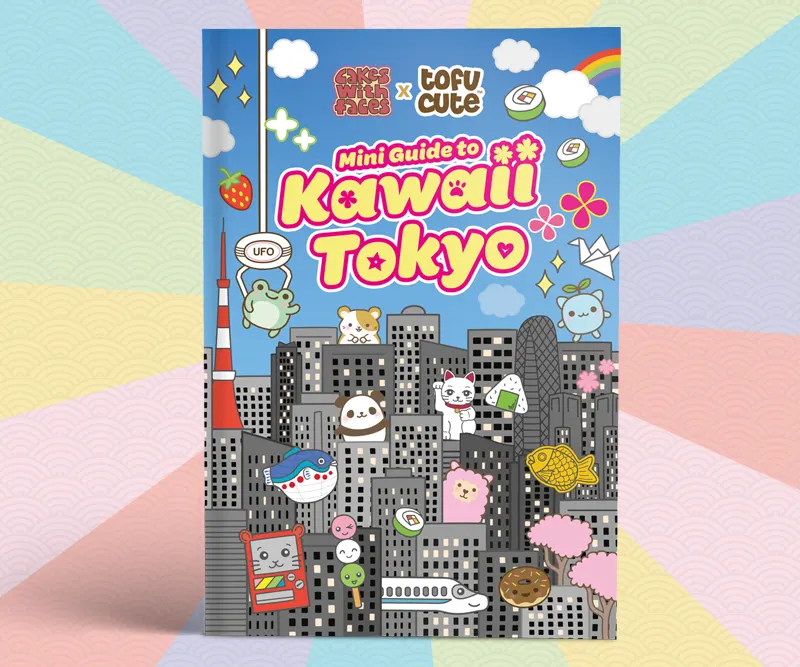
Find all the cutest and most kawaii things in Tokyo with my mini guide book! It includes places to go, cute cafes, tasty snacks and a shopping guide.
It’s available right here to buy online (worldwide shipping):